
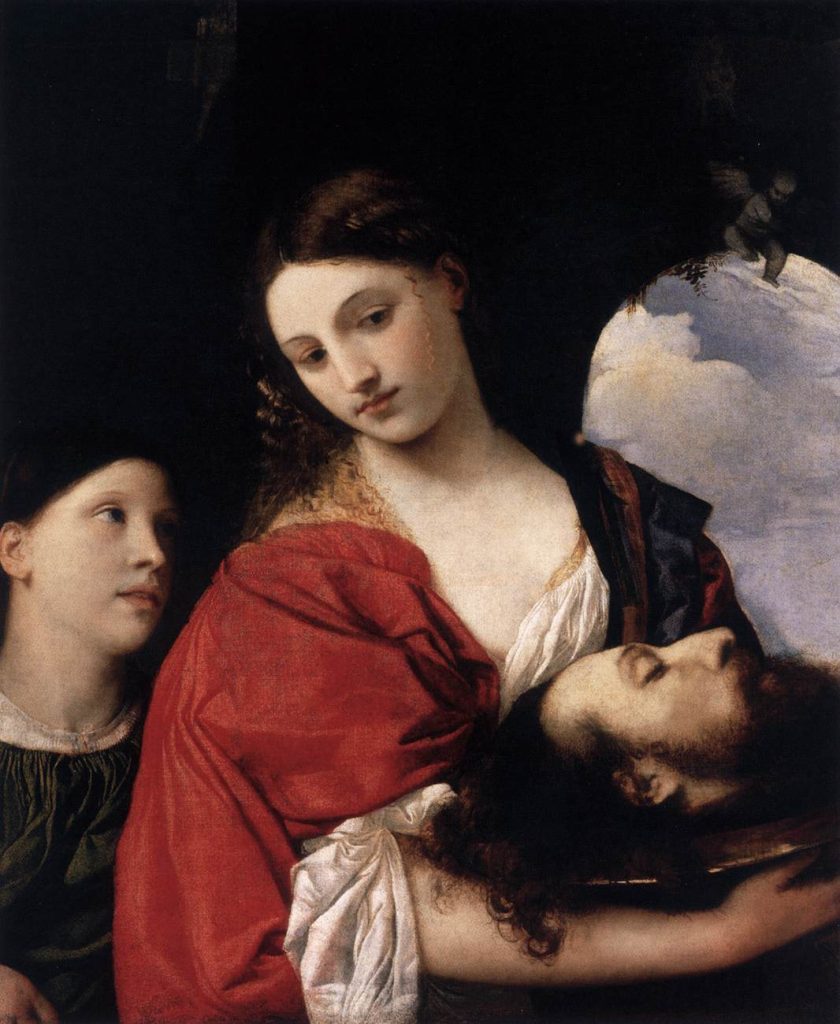
“Losing your head, is it good or bad for you? What case can be made for the superiority of the headless man?”
“Do you expect me to solve this riddle, Master?”
“I do, but you may take your time. Try first to understand the question.”
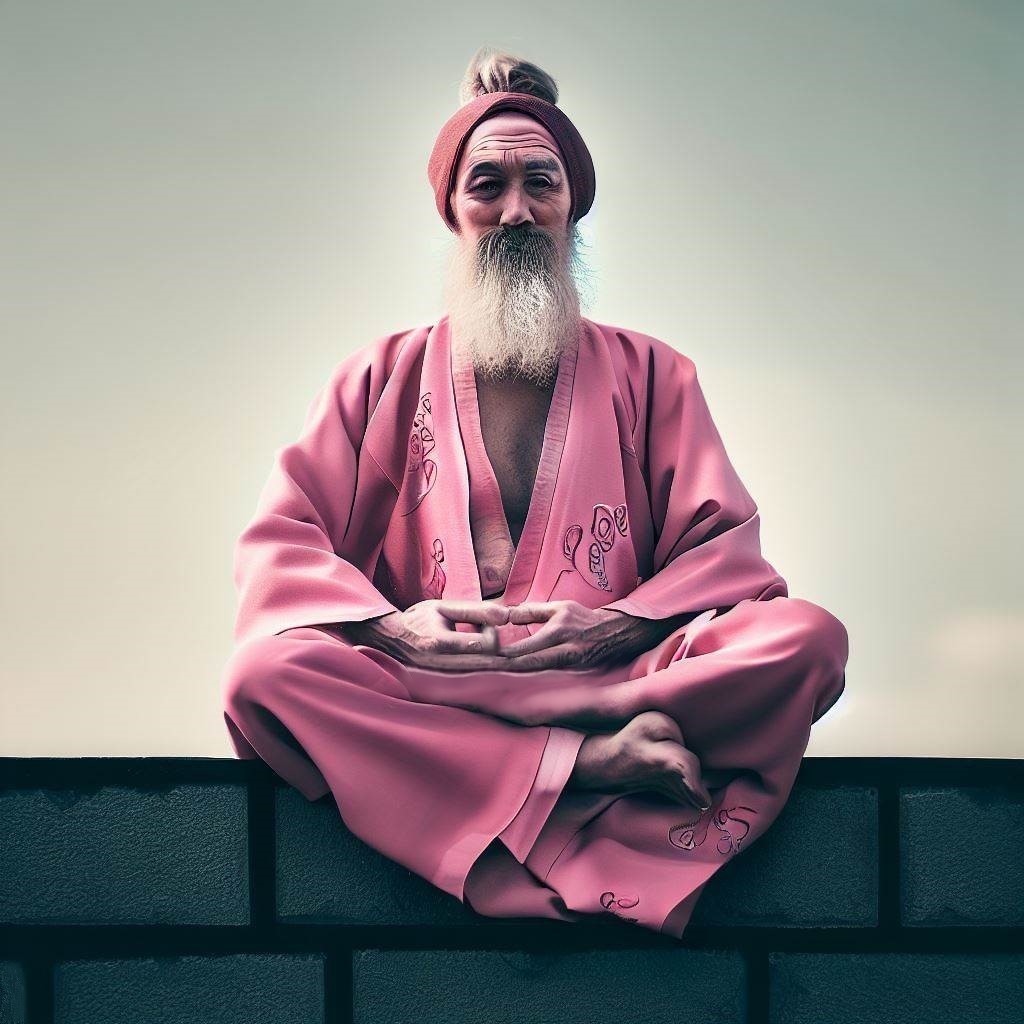
Fu is sitting up on the wall in a majestic lotus position and with that inscrutable expression on his face, the one that you can’t tell if it’s a smile or a mask of sarcasm.
“Let me tell you, Spring Chicken, about the aesthetics of the matter.”
“I am all ears, Master.”
“There is beauty in the act of chopping off a head.”
He makes an artful pause and fiddles with his Kasaya.1
“Mind you, not if it’s done amateurishly so that repeated cuts are needed, and one’s kusazari2 are spattered with blood and mucus. Every holy thing can be tainted by the clumsy handiwork of an ignorant hoe, but when the cut is clean, balanced and striving for perfection, then killing is high poetry. Yãzi!”3
He strikes out with his flute, and a ghostly sound is heard.
“I was trained in the art of sword-fighting by the great Miyamoto. My master’s speciality was the one-chop kill, a single strike that will sever the head or any other major body part. It is a stroke of beauty and not a simple matter of applying brute force. Every aspect of it has to be in harmony. The speed, the angle, the aim, the dedication, just as every leg of the ant must find its rhythm.
This was when warriors were upholders of an ancient art form and not simple butchers, as in warfare now. My master was as much of a thinker as he was a fighter. Such men do not walk the earth any longer. They have been replaced by the new generations; effeminate striplings and weaklings who are afraid of their own shadow.”
A Master’s Masters
Over time, I’ve learned to take Fu’s anecdotes with a grain of salt, especially those about the grandmasters he has served at one time or another. Fu might be old, but he’s hardly lived long enough for even half of it to have expired. Still, I must admit that this particular story sounds believable enough. It would explain his ability to hit you with his flute with panache and precision, without even looking.
“Yes, Puppy Dog. I was trained in the art of killing, and I don’t regret it. But don’t expect you to understand the allure and grandeur of the sacred ground of the battlefield. You would run scared from it.”
“Master, I know you don’t pay attention to what I tell you, but I did spend many years of my youth on the battlefields of the great European wars.”
“Great European wars! Bitch wars, you mean to say.”
He laughs in a sarcastic falsetto and then continues his exposition.
“Is that a fact? What was your weapon of choice? Was it the honourable sword? Europeans do know how to fight with swords, don’t they? Was it the spear, the axe or the graceful bow? Wait, I know: it was some modern Western contraption that kills from a distance without any skill involved. Like a handgun, the coward’s weapon of choice.”
“Neither. I was a barber-surgeon.”
“Oh, so you cut the soldiers’ hair? I suppose you squashed many lice then! While hiding behind the lines.”
“A barber-surgeon is a physician. I cared for the wounded.”
I expect a reprimand, but to my surprise, after contemplating my reply, the Master nods approvingly.
“There is no shame in that. Healing is a valuable vocation. It is not as honourable as the warrior’s path, but patching up maimed soldiers teaches you about the duality of holy warfare, the beauty and the cruelty of it. As men of spiritual healing and men of enlightenment, we are not to be likened to warriors. Such an honour is not bestowed upon us, as we operate behind the lines. No, what we have to offer is not glorious but still in high demand. We ought to what we do best and in your case, I assume that involves needles and threads.”
The Dark Path of Glory
The Master is unusually talkative, and the monologue continues.
“There is a dark side to the warrior’s path. That’s why they come here to pray for atonement. One day, those you’ve killed will become ghosts that haunt you. That’s when the killers turn to us for guidance. Or, in my master’s case, they turn to their poetry to free themselves from these haunting memories. The source of the warrior’s poetry runs deep, deeper than the self-pitying poetry of the heart. After glory comes remorse and contemplation.”
“I know this all too well, Master.”
“Do you, now! What exactly is it that you think you know?
“I am responsible for countless deaths, and I feel the remorse you speak of.”
“I see. Maybe I should start paying attention to your stories if you are the cold-blooded killer that you claim to be.”
“As I said, I am not a warrior, but I am a killer nonetheless.”
“This is interesting! You claim to have countless deaths on your conscience, but you do not know any weapon. I would like to hear you wriggle out of this contradiction. How did you do it? Did you bore them to death with your indolence?”
He laughs that annoying laugh again.
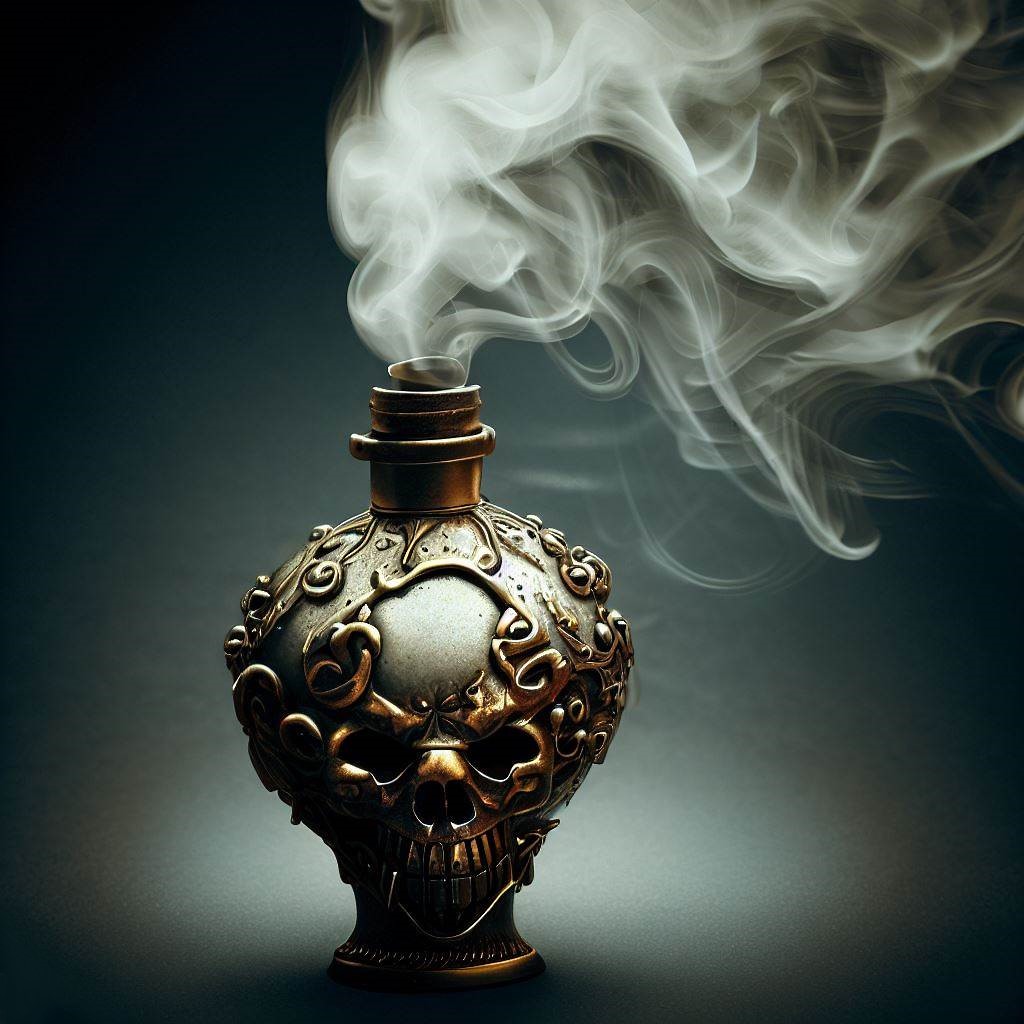
“I know how to make poisons.”
The Dark Path of Glory
Fu grows silent, obviously surprised by my answer. He contemplates it for a while.
“Poison is a woman’s weapon of choice. Do you know this? Perhaps I will start calling you “Roberta” now. Is that not what Western women are called?”
“I have never thought about it as such. The poisoners I’ve known were all men.”
This is not the whole truth. There was one, but this is not the time to talk about her. I’ll keep her a secret for now.
Fu shakes his head. His discontent grows.
“Poisoners! Insidious snakes! Always lurking in the grass. They are cowardly backstabbers, no better than frivolous women. We search for purity here, just as the warrior searches for the purity of movement. That is the meaning of the perfect cut, initiating the dance of the chopped-off body parts. When severing a head the right way, you let out the essence pure and untainted. The poison clouds the essence. It is a serious evil you have been involved in.
Suddenly, Roberta, I understand what is wrong with you. This is why you give off such confusing energy: you are too much of a woman and too little of a man.”
This is not something I have ever thought about, but intricately, after travelling the crooked path of insight, his accusation hits home. Master Fu’s lessons often do, even if one may question and even dislike his approach. This is his greatness. His insults are a fine-tuned art, and they affect you like a dose of Devil’s Breath, the mixture of Nightshade, Henbane, and Datura that we poisoners use to loosen the tongues of heretics and witches, and extract their confessions. Fu forces you to word the truth to yourself.
“You must begin searching for the pure male essence. This is added to your life task from now on. Find it, isolate it, tap into it. Learn to control it, then use it to balance your own essence. Even a girl like you, my dear Roberta, can achieve this, with the right level of determination.”
I can only nod.
“I will do this, Master.”
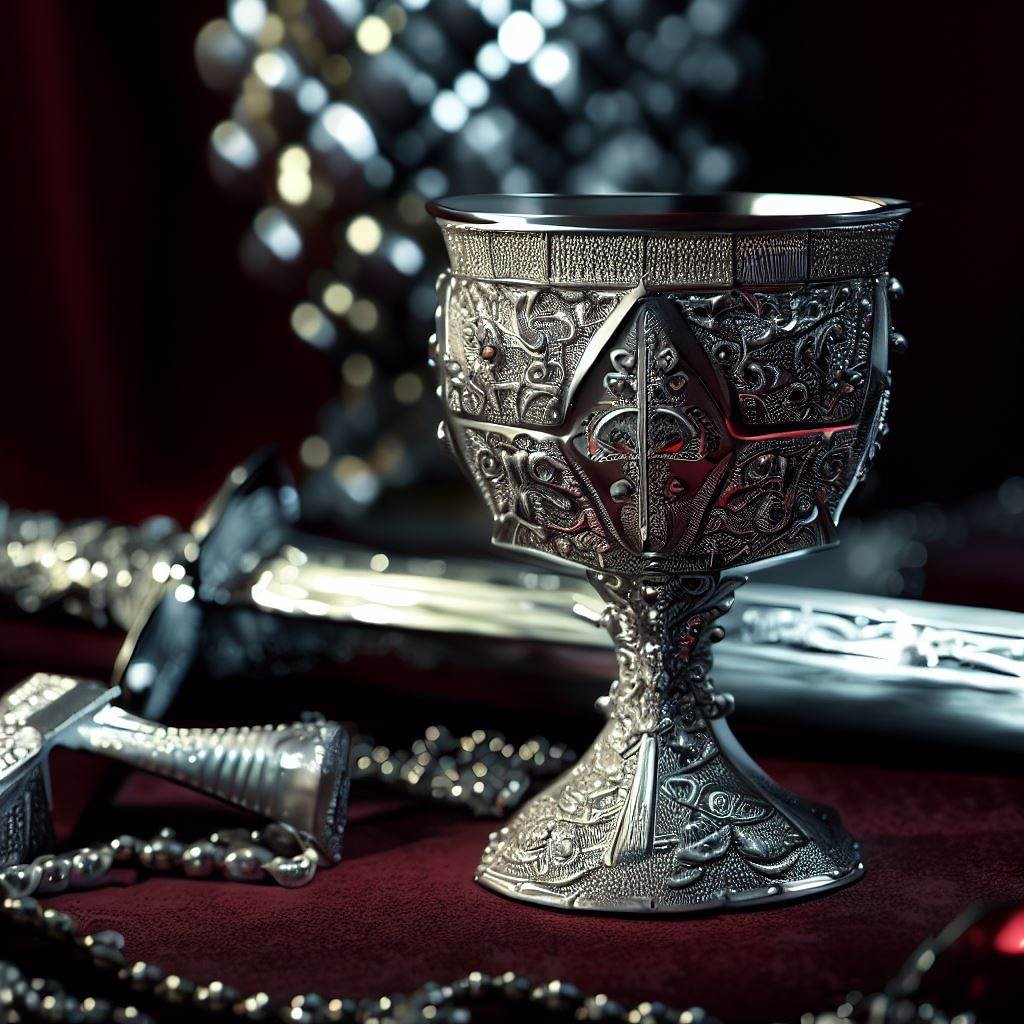
“It is your holy grail”, says Fu.
Fu likes to pretend that everything Western is unknown and irrelevant to him, and we are expected to play along. Yet, ever so often, references to our culture slip out of his mouth. That, plus his adequate English, tells me he knows way more about our part of the world than he lets on.
Beware the Female Essence
“Does it exist in reality? The pure male essence? Or is it a metaphor?”
“Everything pure in thought exists outside in its pure form.”
“How can I differentiate it from the female essence?”
“Just look in the mirror. Everything you dislike about what you see is due to impurity, caused by too much female bitch essence.”
“Master, where can I look?”
“Everywhere! The pure male essence is not hidden. It is right here, surrounding us, in the fabric of the cosmos itself. It’s one of its two main principles, as plain as written on your nose. You only have to figure out how to harvest it.”
“What will I gain from this?”
“What we all seek. Purity. Then clarity. Then, balance. Every moment is suffering, but when balanced, the moments of sorrow will pass and leave no mark that stings. When your essence is in balance, this is your reality.”
The Death of the Warrior Poets
This was a long, long time ago. The warrior poets are gone now. No one can hear their voices anymore, either in war cries or hymns. The world has no more need for such men, or so we are told. They have been replaced by bureaucrats and technocrats, the same sad fate that befell the wise men who once guided us, like my beloved Master Fu. In their place came godless cockerels on garbage diets, social media gossips, and conscious computers. They will eventually lead us off the cliff, and we will follow like a flock of sheep. This is inevitable.
I walked among them when they held the world in their muscular palms, the men who had made it their holy vocation to chop off limbs with bloodied swords and sing in rhymes about it by the campfire. I was never one of them, though I feel in my heart that this is our truest purpose on earth, the highest we can aspire to as males of the species.
My nature given, I was stuck at the bottom of the pyramid. Fu was right about that part. I was once a weakling, struggling in the sweat of my brow to try and sew those limbs back on the victims of holy slaughter. It was a losing battle.
It was not until I met a certain other master that my role in this charade became clear. That’s when my life started for real, but I will have to tell you about that another time.
image sources
- Titian – Salome with the Head of John the Baptist (c. 1515): Titian, Public domain, via Wikimedia Commons | Public Domain Mark 1.0
- Zen Master: fagend.xyz | All Rights Reserved
- Devil’s Breath: fagend.xyz | All Rights Reserved
- Holy Grail: fagend.xyz | All Rights Reserved